What is B12? How much do we need? Where From?
|
Below we will help to answer these questions for you, using both our own experience, resources and experiences from others.
We list some articles, websites and try to give you all the resources you need to make a personal decision. Nothing here is to be solely relied upon, please seek your own counsel and advice from your doctor. What is B12? |
|
B12 is reported to be an essential vitamin, and one that has often been reported as only found in animal based products.
Vitamin B12 does a lot of things for your body. It helps make your DNA and your red blood cells, for example. Since your body doesn't make vitamin B12, you have to get it from other sources - we explore some options below.
Well after being vegan 4 years i have never suffered a deficiency and have regular blood tests. As a father i am also making sure my children are healthy and eating a well balanced diet including B12.
To stay informed I research, read, and talk to others including scientists and doctors.
There is quite a bit of controversy around B12, I am not sure if it is because people are so full of fear and B12 seems to get the fire? Maybe as a scapegoat? Or maybe it is all real?
So here is where I stood, and started the research with an open heart and unfearful mind.
Firstly searching the internet and confirming as much as possible what the high B12 sources of food are.
Second go to a doctor and check my and the childrens current levels - we were all good.
Below I have created a list, please don't rely on it solely its a list i brought together from research. Though most research pointed to high and low levels of B12 is various foods consistently, the actual microgram per 100 grams of food did vary.
Average Daily Intake Suggested
Australia, Canada and the US, average daily intake for an adult is suggested to be around 2 micrograms and up to 1 microgram for a child. Slightly higher levels for pregnant women or new mothers who are lactating.
Let's get to the numbers and food options.
Vitamin B12 does a lot of things for your body. It helps make your DNA and your red blood cells, for example. Since your body doesn't make vitamin B12, you have to get it from other sources - we explore some options below.
Well after being vegan 4 years i have never suffered a deficiency and have regular blood tests. As a father i am also making sure my children are healthy and eating a well balanced diet including B12.
To stay informed I research, read, and talk to others including scientists and doctors.
There is quite a bit of controversy around B12, I am not sure if it is because people are so full of fear and B12 seems to get the fire? Maybe as a scapegoat? Or maybe it is all real?
So here is where I stood, and started the research with an open heart and unfearful mind.
Firstly searching the internet and confirming as much as possible what the high B12 sources of food are.
Second go to a doctor and check my and the childrens current levels - we were all good.
Below I have created a list, please don't rely on it solely its a list i brought together from research. Though most research pointed to high and low levels of B12 is various foods consistently, the actual microgram per 100 grams of food did vary.
Average Daily Intake Suggested
Australia, Canada and the US, average daily intake for an adult is suggested to be around 2 micrograms and up to 1 microgram for a child. Slightly higher levels for pregnant women or new mothers who are lactating.
Let's get to the numbers and food options.
|
Foods - Micrograms B12 per 100 grams food
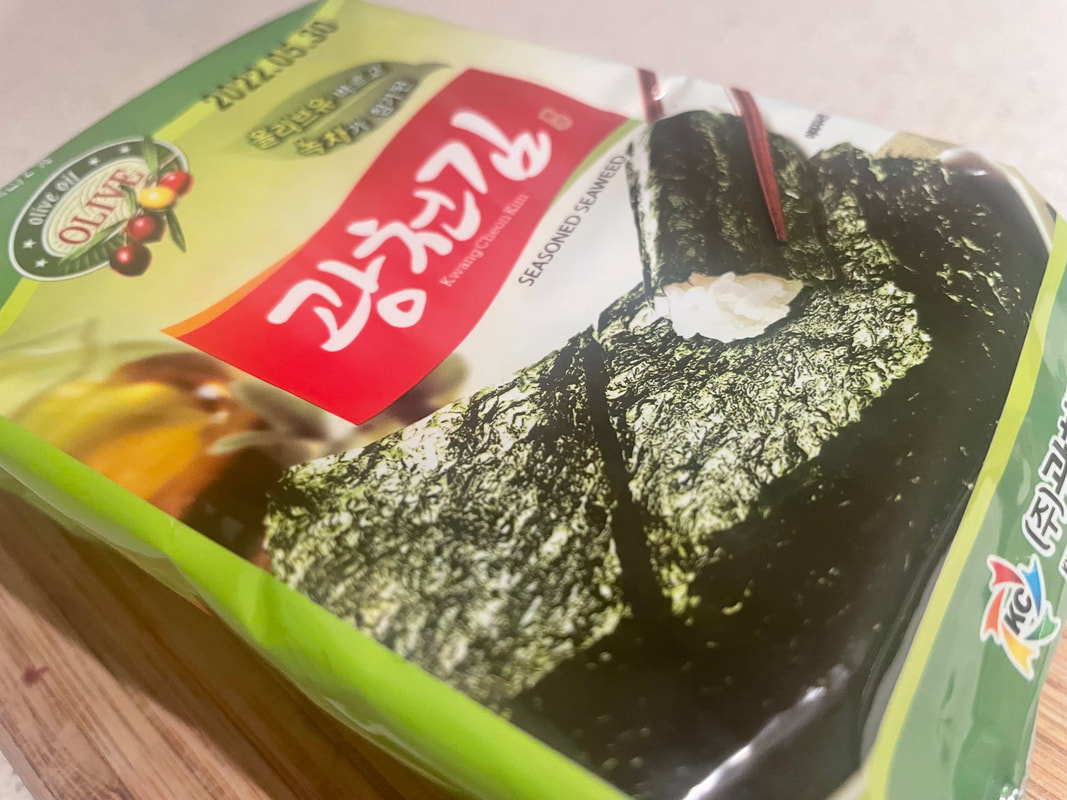
Dried Green Seaweed Sheets 77.60 Dried Purple Laver - seaweed 63.60 Dried Green Laver -seaweed 63.60 Tempeh 8.00 Spinach leaves 0.14 Mushrooms Dried shitake 5.60 Golden chanterelle 2.65 Black trumpet 2.65 Porcini 0.09 Oyster 0.09 Black morel 0.09 *neither list is complete, merely a guide and starting point for you. |
Foods - Micrograms B12 per 100 grams food
Non Vegan (animal based) options Clams 100.12 Beef Liver 84.17 Mussels 24.29 Mackerel 19.17 Crab 11.67 Lean Beef 8.21 Turkey 0.95 Egg 0.89 Yoghurt 0.32 Skim Milk 0.26 |
The above guide gives you a bevy of options to ensure your B12 needs are meet. Our favourite is a regular night of sushi.
If your taste buds are not agreeing with sushi, specifically nori, mushrooms or even baby spinach then an alternative source could be fortified foods with B12 added. Some plant based milks other drinks, cereals, grains, breads etc do contain high levels of B12. You could also go straight to a daily supplement B12 tablet.
It might be worth reading the Iron Myth also if you do have iron deficiency, Vitamin C whether natural or in supplement form is a great way to get back to healthy levels fast. And if your looking at B12 supplements its handy to have Vitamin C handy too, as it helps absorb iron faster than normal.
Of course there is a host of prducts you can buy with B12 fortified into the food, from drinks, cereals, plant based milks and dietary health supplements (tablets).
We always go for the most natural option and luckily my little ones love Dried Green Seaweed and spinach leaves.
In doing research i found some advocating no B12 existed in non plant based sources, though i found that rather odd, maybe they are writing without the full information. I also found some advocating that B12 exists in nuts, like almonds and peanutes and even cranberries. I found nothing of any worth to support this.
Thanks for those who assisted in this article, i hope it helps someone out there get a better understanding of B12 without getting too fearful or torn into the potential side effects. Just eat well, and keep measuring your levels, adjusting intake as needed. That may be the surest way to stay fit and healthy.
If your taste buds are not agreeing with sushi, specifically nori, mushrooms or even baby spinach then an alternative source could be fortified foods with B12 added. Some plant based milks other drinks, cereals, grains, breads etc do contain high levels of B12. You could also go straight to a daily supplement B12 tablet.
It might be worth reading the Iron Myth also if you do have iron deficiency, Vitamin C whether natural or in supplement form is a great way to get back to healthy levels fast. And if your looking at B12 supplements its handy to have Vitamin C handy too, as it helps absorb iron faster than normal.
Of course there is a host of prducts you can buy with B12 fortified into the food, from drinks, cereals, plant based milks and dietary health supplements (tablets).
We always go for the most natural option and luckily my little ones love Dried Green Seaweed and spinach leaves.
In doing research i found some advocating no B12 existed in non plant based sources, though i found that rather odd, maybe they are writing without the full information. I also found some advocating that B12 exists in nuts, like almonds and peanutes and even cranberries. I found nothing of any worth to support this.
Thanks for those who assisted in this article, i hope it helps someone out there get a better understanding of B12 without getting too fearful or torn into the potential side effects. Just eat well, and keep measuring your levels, adjusting intake as needed. That may be the surest way to stay fit and healthy.
Resources
https://veganhealth.org/what-every-vegan-should-know-about-vitamin-b12/
https://www.ncbi.nlm.nih.gov/pmc/articles/PMC4042564/
https://www.dietitians.ca/Your-Health/Nutrition-A-Z/Vitamins/Food-Sources-of-Vitamin-B12.aspx
https://nuts.com/healthy-snacks/sources-of-vitamin-b12
Please feel to let us know via social media if there is other resources that may help, we are always open to learn.
https://veganhealth.org/what-every-vegan-should-know-about-vitamin-b12/
https://www.ncbi.nlm.nih.gov/pmc/articles/PMC4042564/
https://www.dietitians.ca/Your-Health/Nutrition-A-Z/Vitamins/Food-Sources-of-Vitamin-B12.aspx
https://nuts.com/healthy-snacks/sources-of-vitamin-b12
Please feel to let us know via social media if there is other resources that may help, we are always open to learn.